Key takeaways
- Jake’s doctor told him to eat less sugar. Emma wants to spend less money. They agree to support each other.
- Cut back on = do or use less of something. Used to = something you did in the past but don’t do now. Save money = keep money instead of spending it.
- Perfect language for talking about goals, habits and New Year’s resolutions.
- A2–B1 level, about 18 minutes of listening and speaking practice.
Is there something you’re trying to do less of right now? Less sugar, less screen time, less online shopping? Almost everyone has a habit they want to change, and talking about it is a great way to practise English, because the topic is personal and real.
In this short conversation, two friends compare their new habits. You’ll learn a phrasal verb you can use for any kind of change, plus one of the most useful grammar structures for talking about the past: used to.
Watch the Lesson
Lesson map: listening (00:57), vocabulary (02:33), listen and repeat (04:06), listen and answer (09:12), shadowing (14:35).
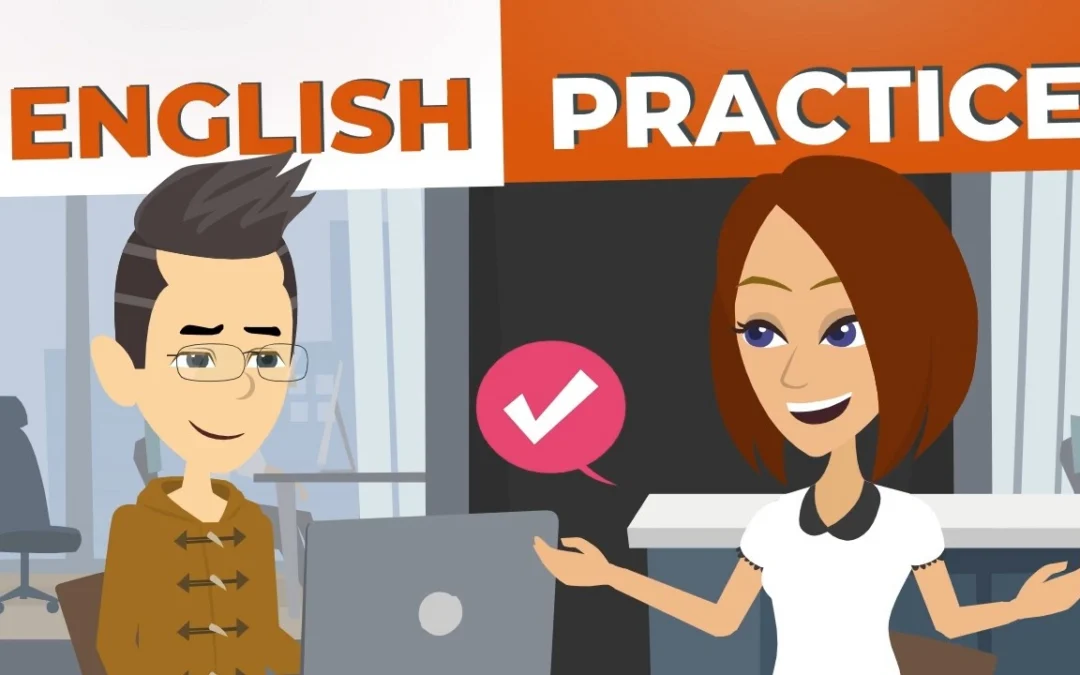
The Conversation: Small Changes
- Emma: Hi, Jake. How are you doing with your health goals?
- Jake: Pretty good, actually. My doctor told me I need to cut back on sugar, so no more soda or candy for me.
- Emma: Wow, that’s a big change. How is it going so far?
- Jake: It’s hard, but I feel better already. I have more energy now. What about you? Any new plans?
- Emma: Yes, I’m trying to cut back on my spending. I buy too many things I don’t need.
- Jake: Same here. I used to buy coffee every day. Now I make it at home.
- Emma: That’s smart. I’ve stopped shopping online so much. I save my money for important things.
- Jake: It’s not easy, but small changes help a lot.
- Emma: You’re right. Maybe we can support each other. We can check in every week.
- Jake: That sounds great. Let’s do it.
Vocabulary: Three Phrases for Change
Cut back on
To do or use less of something. I need to cut back on sugar because it’s not good for my health. She wants to cut back on her spending. Notice it’s less, not zero. If you stop completely, you give up or quit: I gave up smoking. A similar phrase is cut down on, with the same meaning.
Used to
Something you did regularly in the past, but don’t do now. I used to eat candy every day, but now I don’t. We used to live in a small apartment. The question and negative forms drop the “d”: Did you use to…? I didn’t use to…
Save money
To keep money instead of spending it. I save money every month for my vacation. He saves money by making coffee at home. You can also save up for something: I’m saving up for a new laptop.
Your turn: what do you want to cut back on? And what did you use to do that you don’t do anymore? Write two sentences in the comments.
Talking About Then and Now
“Used to” works beautifully with “now” to show a change. Jake does it perfectly: I used to buy coffee every day. Now I make it at home. Try the same pattern about your English:
- I used to study only grammar. Now I listen to conversations every day.
- I used to be afraid to speak. Now I answer questions out loud.
- I used to read with subtitles. Now I try one minute without them.
Careful: used to + verb (past habit) is different from be used to + -ing (be familiar with something). I used to drive = I drove in the past. I’m used to driving = driving feels normal for me. Many learners mix these up, so it’s worth repeating both examples out loud.
Why Small Changes Work
Jake says something wise: “It’s not easy, but small changes help a lot.” And Emma adds another great idea: check in with a friend every week. These two tips are exactly how people change habits successfully, including the habit of practising English.
So here’s a challenge. Cut back on something that steals your time (scrolling, maybe?) and use those ten minutes for English listening instead. Find a “check-in buddy” to keep you motivated. Read more in the learning English habit that changes everything.
Two more lessons about change and motivation: level up and raise the bar, and for the money side, joining a gym in English (great for health goals too!).
Practise With the Video
Answer the questions out loud: “Does Jake drink soda now?”, “Did Jake buy coffee every day before?” Try to use “used to” in your answers: “Yes, he used to buy coffee every day.” Then shadow the conversation.
For 60 more everyday conversations with MP3 audio and PDF text, see the Shadowing English Speaking Course. Or start small: download a free sample lesson.
Frequently Asked Questions
What does “cut back on” mean?
It means to do, use or eat less of something. “I’m cutting back on coffee.” It does not mean stopping completely.
What is the difference between “cut back on” and “cut down on”?
They mean almost the same thing: reduce something. Both are common in everyday English.
Is it “did you used to” or “did you use to”?
“Did you use to…?” In questions and negatives with “did”, use “use to” without the “d”.
What is the difference between “used to” and “be used to”?
“Used to + verb” is a past habit (“I used to run”). “Be used to + -ing” means something is familiar or normal for you (“I’m used to running”).